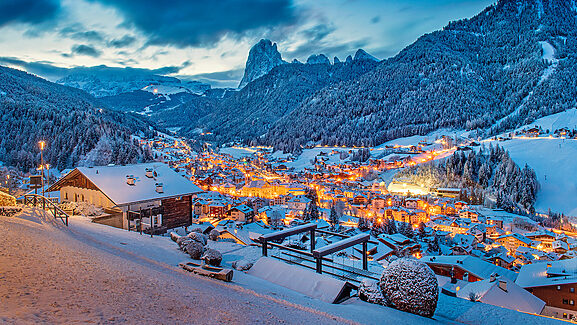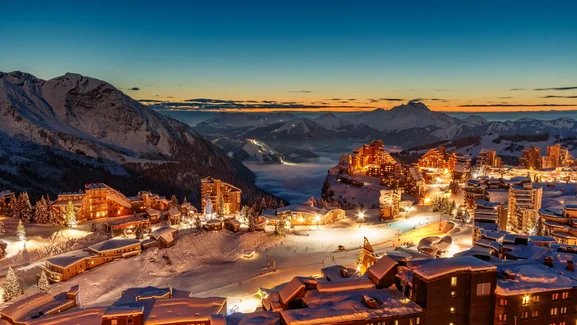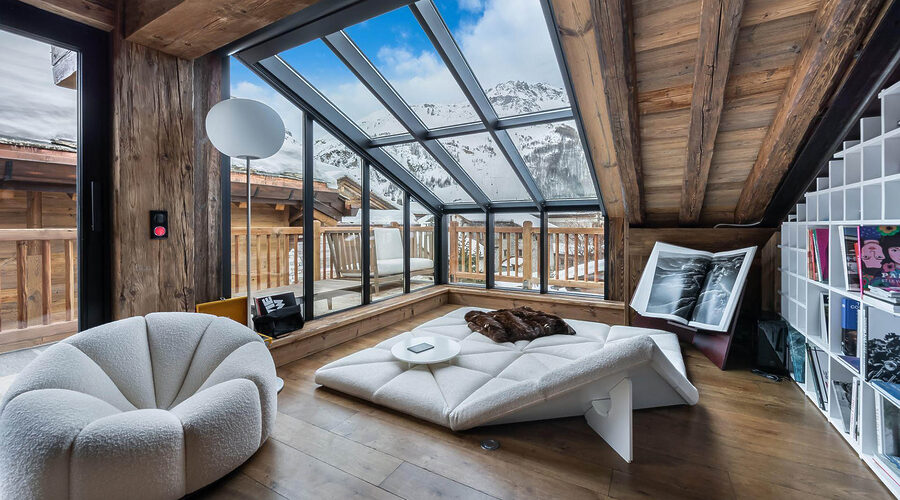
Our interview with Connecto Transfers is online!
We had the pleasure of being interviewed by our good friend, Goran Pavlicevic from connectotransfers.com
Below is a copy of the article and here is a link to their copy.
It’s the middle of the exciting 2026 ski season, and chalets are currently the hottest topic (no pun intended) in Europe.
We all know and love that perfect ski experience topped off by a perfect, relaxing evening by the fireplace in your chalet, but what makes those places tick? What sort of effort is made behind the scenes to ensure a pleasant stay and unmatched experience?
Ms. Victoria Halbach, the Chalet Specialist at Chalet Centre, a Swiss-based company with roots dating back to mid-20th century, was kind enough to sit down with us and share her experience and opinions on the chalet business, as well as Alpine travel in general.
Due to the intersecting areas of our businesses and both Chalet Centre and Connecto Transfers having existed for a long time, it is likely that we may have taken a guest or two (or a few hundred) to Chalet Centre’s chalets with our private luxury transfers without knowing it over the years, but we have no official affiliation or cooperation.
Tell us a bit more about the roots of Chalet Centre. Did this concept originate as a business or personal idea?
In the heart of Zurich, where the Limmat River meets Lake Zurich and the distant Alps loom on clear days, a small company called Chalet Central AG traces its beginnings not to a boardroom pitch or investor deck, but to one woman’s cherished childhood memories.
Elena Hartmann grew up in a modest apartment in Zurich’s Kreis 4 district. Every school holiday and long weekend, her family would pile into their old station wagon and drive two hours south to a weathered wooden chalet nestled in the hills above Lake Lucerne. That chalet—built by her grandfather in the 1960s with hand-cut spruce beams, a massive stone fireplace, and a red-and-white shuttered façade—was more than a vacation home. It was where Elena learned to ski on gentle slopes, where her family roasted chestnuts on winter evenings, and where stories of Swiss ancestors were passed down over fondue. The scent of pine resin, the creak of the wooden floors, and the distant clang of cowbells became synonymous with peace and belonging.
By her late twenties, life had changed. Elena’s grandparents had passed, her parents moved to a smaller apartment, and maintaining the chalet—paying heating bills for empty winters, repairing leaks after heavy snow, and simply getting there from Zurich—became a financial and logistical burden. Selling it felt unthinkable; it would sever a living link to their past. One crisp autumn weekend in 1983, a close friend visiting from Geneva asked if she could use the chalet for a quiet anniversary getaway. Elena hesitated, then agreed. She spent two days airing out the rooms, stocking the kitchen with local cheese and chocolate, and leaving handwritten notes about the best hiking trails.
When her friend returned the keys, glowing with stories of stargazing from the balcony and waking to mist-shrouded mountains, something shifted. Elena realized she wasn’t just lending a house—she was sharing a piece of her soul. Over the next months, she began quietly offering the chalet to a small circle of trusted friends and colleagues in Zurich. No fancy website, no payment apps—just word-of-mouth, a simple contract, and a request to treat the place with respect. The rental income helped cover upkeep, but the real reward was seeing city-weary professionals rediscover the simple joy of an Alpine evening: board games by the fire, fresh bread from the village bakery, the absence of traffic noise.
Word spread organically through Zurich’s professional networks. Colleagues asked for weekends, then friends of friends, then international visitors who had come to Switzerland for work or a conference and craved an authentic experience beyond hotels. Elena noticed a pattern: many travelers struggled to find chalets that felt genuine—most listings were either ultra-luxury ski-in/ski-out mansions or neglected properties with outdated interiors. People wanted the real thing: cozy, character-filled homes with creaky stairs, heirloom furniture, and a sense of place.
By 1990, the informal network had grown beyond her family’s single chalet. Elena reached out to relatives and neighbors in the Bernese Oberland and Valais who owned underused properties. She helped them prepare listings, handled inquiries, and managed bookings from her Zurich apartment using a basic shared calendar and email. What began as a personal act of preservation—keeping her grandfather’s chalet alive through shared use—had quietly evolved into a small business.
She incorporated Chalet Central in Zurich, secured proper insurance and tourism registrations, and focused on a niche: authentic, mid-range Swiss chalets for families, couples, and small groups who wanted to experience Switzerland like locals, not tourists. Therefore, there was an extension throughout Europe, with partnerships with the best chalets in the European Alps.
The company’s headquarters remain in Zurich to this day—close to the airport, train stations, and the professional talent needed for marketing and operations—while the chalets themselves are scattered across the Alps, from the Jungfrau region to the Engadin, and all over Europe. Elena still personally visits each property before onboarding it, ensuring it meets her original standard: a place that feels like coming home.
The roots of Chalet Central AG are therefore deeply personal: a granddaughter’s desire to honor family heritage, keep a beloved home breathing, and share the restorative power of the Swiss mountains with others who needed it. The business side came later, almost as an inevitable consequence of that heartfelt beginning.
Chalets are stereotypically viewed as purely a place to stay between skiing sessions, but it’s a less-known fact that many of them remain open and popular year-round. What experiences can travelers get there outside of the skiing season?
Many Alpine chalets across Switzerland, France, Austria, and Italy (including the Dolomites) are far from seasonal ski-only retreats—they’re increasingly popular year-round bases, with many resorts staying lively from spring through fall. In summer (roughly June–September) and early autumn, the mountains transform into lush green landscapes with wildflower meadows, crystal-clear lakes, and crisp air that’s often cooler than lowland Europe, making them ideal for escaping heatwaves.
Travelers staying in chalets (often luxury ones with hot tubs, pools, terraces, or private chefs) can enjoy a mix of adventure, relaxation, wellness, and cultural experiences right from their doorstep or with short access via cable cars, trails, or local transport.
Here are some of the most popular and rewarding non-skiing experiences in the Alps outside winter:
- Hiking and alpine walking
The Alps boast thousands of well-maintained trails, from gentle valley strolls to challenging high-altitude paths with panoramic views (e.g., around Mont Blanc in Chamonix or the Jungfrau region in Switzerland). Many chalets serve as perfect starting points for daily hikes, often with wildflower-filled meadows, waterfalls, and wildlife spotting (ibex, marmots, eagles). - Mountain biking and e-biking
Thrilling downhill runs, enduro trails, or scenic cross-country routes draw enthusiasts. Resorts like Verbier (Switzerland), Leogang (Austria), or Morzine/Les Gets (France) offer world-class biking, with lifts often open for summer access. - Paragliding and adventure sports
Tandem paragliding over peaks and valleys provides an unforgettable bird’s-eye view. Other adrenaline options include white-water rafting, canyoning, via ferrata (climbing routes with cables), zip-lining, or alpine coasters/luge runs (some open year-round). - Water activities on lakes and rivers
Swim in pristine alpine lakes (e.g., Lake Annecy near the French Alps or Swiss spots like Lake Thun), try stand-up paddleboarding (SUP), kayaking, or even glacial river dips for the brave. Fishing is popular in calmer spots. - Wellness and relaxation
Many chalets feature private hot tubs, saunas, or pools for unwinding with mountain views. Yoga sessions (often outdoors on terraces), spa visits, or thermal baths (common in areas like Leukerbad, Switzerland, or Bad Gastein, Austria) offer pure rejuvenation. Picnic by streams or enjoy long evening BBQs on sunny terraces. - Golf and more leisurely pursuits
High-altitude golf courses (e.g., in Crans-Montana, Switzerland) provide stunning backdrops. Scenic train rides (like the Glacier Express or Bernina Express), hot air ballooning over Mont Blanc, or equestrian rides add variety. - Culinary and cultural experiences
Private cooking classes, mountain hut dinners with local cheeses/wines, or visits to alpine farms. Resorts often host festivals, markets, or events, and many chalets arrange bespoke concierge services for gourmet dining or wine tastings. - Nature immersion and slower vibes
Simply relax with the fresh air, stargazing (low light pollution in many areas), or wildlife observation. Autumn brings golden larch forests and fewer crowds for peaceful hikes.
Which locations are especially well known for their perennial nature?
Popular year-round destinations include Chamonix and Megève (France), Zermatt, Verbier, Crans-Montana, and Gstaad (Switzerland), St. Anton and Lech (Austria), and Cortina d’Ampezzo in the Dolomites (Italy). Luxury chalets in these spots often provide concierge help for bookings, and many include amenities like heated pools or outdoor dining to enhance the experience.
Summer in the Alps offers a refreshing, less-crowded alternative to beach holidays, blending adventure with tranquility in one of Europe’s most dramatic settings.
In your opinion, which place in European mountains is currently underrated, in the sense that it can provide a surprisingly enchanting experience, but isn’t well known?
One place that stands out to me as currently underrated is in the Austrian Alps—delivering a surprisingly enchanting, almost magical experience while remaining far less known than the big names like Hallstatt, Kitzbühel, or St. Anton—is the Villgraten Valley (Villgratental) in East Tyrol (Osttirol).
This remote valley feels like a step back in time: steep mountain meadows dotted with majestic traditional wooden farmhouses and alpine huts, pristine forests, crystal-clear streams, and sweeping views that stretch to the Großglockner and Großvenediger peaks (and even hints of the Dolomites on clear days). It’s one of the most unspoiled natural and cultural landscapes in the entire Alps, where mountain farmers still work the land in ways that have barely changed over centuries. The silence is profound—no massive crowds, no tour buses, just authentic Tyrolean rural life blended with raw alpine beauty.
What makes it surprisingly enchanting:
- Summer: Gentle to demanding hikes (including routes in one of Austria’s designated “mountaineering villages”), wildflower meadows, marmot spotting, and cozy Alm huts serving homemade cheese and Speck.
- Winter: Quiet ski touring, snowshoeing, or cross-country trails through snow-laden forests—pure serenity without the après-ski frenzy elsewhere.
- The harmony between nature and human presence feels almost poetic;it’speaceful yet invigorating, with that rare sense of having discovered something genuinely special and untouched.

Source: Wikimedia, WolfgangFaber; modified and used under Creative Commons Attribution-Share Alike 3.0 Unported license
It’s not completely unknown among Austrians or dedicated hikers/mountaineers, but internationally it flies well under the radar compared to more commercialized spots. Access is easiest via Lienz (train or car), then a scenic drive up into the valley—part of why it stays quiet.
If you’re seeking that “wow, how is this not overrun?” moment in the Austrian Alps right now, Villgraten Valley would be my top pick for an unexpectedly captivating escape.
Personal question: when planning a trip, do you prefer organizing it yourself or having an agency do it for you?
In my personal opinion, having a trip organized by a travel agency (or a professional travel advisor/agent) can be better than planning and booking everything yourself (DIY) in several key situations, especially if your trip is complex, you’re short on time, or you value convenience and support over total control.
Here are the main reasons why I find it advantageous to use an agency:
- Saves a huge amount of time
Research shows the average person spends around 16 hours (equivalent to two full workdays!)when planning and booking a single trip. An agency handles the research, comparisons, bookings, and logistics for you, often cutting that time dramatically. You just share your preferences, budget, and dates — they do the rest.
- Expert knowledge and personalized recommendations
Good agents have firsthand experience (or strong networks) with destinations, hotels, airlines, tours, hidden gems, and pitfalls. They can suggest options you might never find on Google or Booking.com, like the best time to visit a place,avoiding tourist traps, or tailoring the trip to your interests (e.g., food-focused, family-friendly, adventure).
- Access to exclusive deals,perks, and upgrades
Agencies often have industry partnerships that unlock special rates, complimentary upgrades, onboard credits (especially on cruises), priority reservations, welcome amenities, or bundled packages not available to the general public. In many cases, these extras can offset or exceed any planning fee, making the total cost similar or even lower than DIY.
- Stress reduction and problem-solving support
Planning yourself means dealing with endless tabs, conflicting reviews, visa rules, travel insurance details, and potential booking errors. An agency acts as your advocate: they handle changes, cancellations, overbookings, or disruptions (like flight cancellations) — often faster and more effectively than you calling an airline’s hold line from abroad. This is especially valuable for international trips, multi-destination itineraries, group travel, or high-end/luxury experiences. - Easier for complex or high-value trips
For cruises, safaris, multi-country tours, honeymoons, or travel to less-touristy or logistically tricky places (e.g., involving visas, internal flights, private transfers), agencies shine. They coordinate everything into one cohesive plan and often provide 24/7 support or local contacts.
Indeed, just last year I went on a 3-week family trip to Africa, and upon returning we realized the overall time we spent planning amounted to almost a month of full-time work! We could have used an agency to relax, or even work and earn money for an additional trip…
As your case demonstrates, there is a significant “mission creep” as well as “sunk costs” in travel, and it’s easy to lose track of time and get bogged down in travel planning. Personally, I think DIY planning is often better (and usually cheaper) in the following cases:
- Your trip is simple (e.g., a short city break or domestic flight + hotel).
- You enjoy researching and want 100% control/flexibility.
- You’re very budget-focused and willing to hunt for deals yourself.
In 2026–2027, many experienced travellers still choose agencies for anything beyond basic trips because the time/stress savings and added value frequently outweigh the minor extra effort or occasional fee. It ultimately depends on your personality, available time, trip complexity, and how much you value having a dedicated expert in your corner.
Which extra services does Chalet Centre provide in addition to accommodation?
Our company typically goes well beyond just providing accommodation. We focus on delivering a hassle-free, all-inclusive or highly serviced holiday experience. Here are the most common extra services provided in addition to the chalet itself (the accommodation):
- Core Catering and Daily Services (Especially in Catered Chalets)
Daily breakfast — Often a hearty cooked option plus continental items like pastries, fresh coffee, juices, cereals, and fruit.
Afternoon tea — Cakes, snacks, tea/coffee upon returning from the slopes.
Evening meals — Usually a 3- or 4-course dinner prepared by a private chef or chalet host, with wine (often unlimited or an allocation) included. Some include canapés and pre-dinner drinks on arrival or select nights. - Housekeeping and cleaning
Daily tidying, bed-making, and end-of-stay cleaning. - Chalet host service
Hosts manage everything from cooking to advice on the resort. - Concierge and Booking Assistance
Pre-arrival concierge — Tailored planning, often complimentary, to arrange extras before you arrive.
Bookings for ski-related extras — Ski lessons, private instructors/guides, lift passes, equipment hire/rental, and boot fitting (sometimes in-chalet). - Transfers
Airport or station pick-up/drop-off (private drivers or chauffeurs in luxury offerings). - Restaurant reservations
For non-chalet dinners, plus après-ski bar recommendations.
- Personalized and Luxury Add-ons (Common in Premium/High-End Companies)
Childcare and nanny services — Private nannies, in-chalet babysitting, or family-focused extras like playrooms.
Spa and wellness — In-chalet massages, spa treatments, or access to private spas, saunas, hot tubs, gyms, or even unique features like hyperbaric chambers.
Private staff — Dedicated butlers, bartenders, personal trainers, or drivers.
Other bespoke experiences — Gourmet upgrades (e.g., Michelin-trained chefs), private parties/celebrations, beauty sessions, or specialized dining (e.g., themed nights or fine dining pop-ups). - Additional Perks
Ski hosting/guiding — Guided skiing days or help finding the best runs/lunch spots.
In-resort support — On-site assistance, especially from companies with year-round resort presence.
Extras like welcome packs — Sparkling wine, canapés on arrival, or complimentary items.
Many of these extras are included in the package price, though premium extras (e.g., nannies or private chefs in self-catered setups) may cost more or be arranged on request.
What in your opinion makes a specific chalet memorable?
In my opinion, what makes a specific chalet truly memorable goes far beyond just luxury features or a fancy address in the Alps—it’s the way the place manages to feel both deeply comforting and quietly extraordinary at the same time. Here’s what tends to stick with people long after they’ve left:
- The atmosphere of effortless coziness amid drama
A roaring open fireplace (or several), heavy timber beams, soft lighting from lanterns or candles, and that unmistakable smell of wood and pine create a true sanctuary after a cold day. The best ones make you feel wrapped in warmth the moment you walk in, almost like the mountain itself is hugging you. Add huge panoramic windows framing snow-covered peaks or twinkling village lights at night, and it becomes cinematic.

- Perfect location that feels private yet connected
Ski-in/ski-out access (or very close) without being right in the noisy village center is magic. You clip on skis at the door in the morning, come back exhausted, and slide straight into a hot tub on a terrace with 180° views. The seclusion amplifies the sense of escape—it’s your own little world high up, away from crowds, yet close enough to dip into great restaurants or après if you want.
- Thoughtful, unobtrusive service that anticipates needs
The most memorable chalets have staff (chef, host, chalet manager) whocan disappear when you want privacy, but appear exactly when you need something—a hot chocolate ready after skiing, boots dried and warmed, or a chilled bottle of your favorite wine. A really good chef turning out inventive, locally inspired dinners every night (without ever feeling pretentious) is often the single biggest memory-maker.
- A few standout, indulgent details that provide welcome surprises:
◦ Outdoor hot tub under stars with snow falling
◦ A proper sauna or hammam with mountain views
◦ A cinema room for lazy evenings
◦ A wine cellar or curated bar that feels personal
◦ Unique design touches (antique pieces mixed with modern minimalism, or bold art in a classic wooden shell) that give it personality instead of generic “luxury chalet” vibes
- The intangible “group alchemy” factor
Chalets shine brightest with friends, family, or a partner because they encourage shared rituals: long breakfasts, post-ski debriefs by the fire, midnighthot-tub talks, or everyone crowding around the chef watching dinner being made. The space lets those moments happen naturally, and that’s often what people remember most years later.
Ultimately, the most memorable chalets aren’t the ones trying hardest to impress with gadgets or size—they’re the ones that make you feel like you’ve discovered a secret version of alpine living that’s just for you (and your people) in that exact week. It’s equal parts refuge, theater, and home-from-home.
What’s next for Chalet Centre – where do you see yourself in a few years?
The next few years for Chalet Central AG look promising but require strategic evolution to stay ahead in a competitive, maturing market.
Current momentum is strong: demand for premium Alpine holiday homes continues to rise sharply, driven by high-net-worth travelers seeking private, exclusive retreats.
The future hinges on three core directions:
- Sustainability as the new luxury standard
Guests increasingly expect eco-conscious operations without compromising glamour. This means integrating energy-efficient designs (geothermal heating, solar, rainwater systems), carbon-neutral practices, and climate-resilient locations like Verbier, Crans-Montana, or Zermatt. Companies that lead here will differentiate themselves, as traditional excess is being replaced by “eco-sophistication.” - Year-round appeal beyond winter
The Alps are shifting from seasonal ski destinations to four-season escapes. Summer and shoulder-season offerings (hiking, wellness retreats, family adventures) are growing fast, with outdoor pools, spas, and nature-immersed experiences becoming key amenities.
- Wellness, personalization, and smart tech
Hyper-personalized stays (AI-driven concierge, bespoke wellness programs) and high-end features like private spas, gyms, and infinity pools are table stakes. Privacy and health-focused escapes remain top priorities.
In 3–5 years, I see Chalet Central positioned as a leader in sustainable, year-round premium hospitality. This could mean:
- A larger, curated portfolio across top resorts.
- Strong brand recognition for eco-luxury and wellness.
- High occupancy rates year-round, with diversified revenue from experiences, partnerships, or even limited branded residences.
- Resilience against regulatory pressures on short-term rentals through quality focus and local community integration.
The Alps’ premium property market has shown steady growth (3–5% annual price increases in prime spots), and investor interest remains high. Success will go to those who balance authenticity, innovation, and genuine environmental responsibility while delivering unforgettable, private escapes.
—————————-
—————————-
We would like to once again express our heartfelt thanks for sharing these insights with our readers, and we wish you and Chalet Centre all the best in the years to come!
Our message to Connecto Transfers: Hope to catch up with you again same time next year and many years to come!